2026: The Year of Natural Rejuvenation
/A new year brings a fresh chance to reset, refocus, and recommit to the habits that help you feel and function your best. As 2026 approaches, many of our patients are thinking about their own longevity plan — not just how long they live, but how well they live.
If you’re looking to make this your healthiest year yet, here are 5 key pillars to build into your personal plan for natural rejuvenation
1. Healthy Eating (Not “Dieting”)
Notice we didn’t say “diet.” This isn’t about chasing a number on the scale. You can be within a normal weight range and still have a poor nutritional foundation.
Instead, aim for consistency with meals built around:
Lean proteins such as chicken and fish
Generous servings of colorful fruits and vegetables
Moderate amounts of healthy grains, nuts, and seeds
Smart beverage choices: plenty of water, coffee with minimal additives, green tea, and alcohol in moderation (with more people now choosing to cut back for wellness reasons)
Think of this approach as fueling your body with what it needs — not restricting it.
2. PRP Injections for Joint & Tendon Health
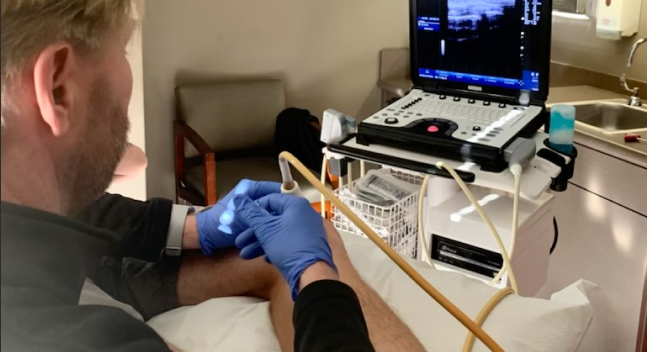
If chronic joint or tendon pain is limiting your daily life, platelet-rich plasma (PRP) has become one of the most reliable regenerative therapies available. Using your own blood, PRP concentrates growth factors through a precise, scientific process and delivers them directly to the areas that need healing most.
The result?
Less pain. Better mobility. More confidence doing the things you love.
For many patients, PRP is a key investment in their musculoskeletal health — allowing them to return to exercise, enjoy time with children or grandchildren, or simply wake up and move through their day without constant discomfort.
3. Exercise: “Motion Is Lotion”
We say it often because it’s true: motion is lotion for your joints.
Staying active keeps your joints lubricated and functioning well, but the right amount of activity matters. Too little can lead to stiffness and weakness; too much can cause irritation or injury.
Your ideal exercise routine should:
Be something you enjoy
Fit realistically into your week
Be well-tolerated by your joints and soft tissues
Finding that sweet spot is key — and we’re here to help guide you.
4. Supplements That Support Your Health
Supplements can play an important role in musculoskeletal health, but they aren’t one-size-fits-all. Your medical conditions, medications, goals, and lifestyle all matter.
That’s why we tailor supplement recommendations one patient at a time, often during an office visit where we can discuss interactions and quality. We partner with a top-tier supplement company to ensure patients receive high-quality, science-backed options for their individualized regimen.
5. Lifestyle Factors That Truly Matter
Beyond diet and exercise, longevity and well-being are deeply influenced by how you live your life day to day.
Consider these powerful contributors:
Strong relationships with friends and family
Consistent, restorative sleep (7–9 hours nightly)
A sense of community or belonging
Faith or a grounding belief system
Activities that bring joy and purpose
These are often the overlooked foundations of long-lasting health.
Ready to Make 2026 Your Year?
Whether you start on January 1st or today, these 5 pillars can elevate your health, energy, mobility, and overall quality of life.
And the best part? You don’t have to do it alone.
We’re here to help you personalize your path to wellness — naturally and effectively.
F. Clarke Holmes, M.D.
Are Doctors Biased in Their Recommendations?
/Short answer: Absolutely yes!
But before you jump to conclusions, let’s unpack what that really means — because not all bias is bad.
Understanding Bias in Medicine
Every doctor, no matter how well-trained or well-intentioned, brings experience, perspective, and yes — bias — into their medical decisions. In fact, it’s part of being human. What matters most is what kind of bias is at play and whether it benefits you, the patient.
Let’s explore a few of the most common types of bias that shape medical recommendations:
1. Self-Serving Bias
This is the most concerning type — and fortunately, the least common among ethical physicians.
A self-serving bias happens when a doctor’s recommendation benefits the doctor more than the patient.
This can happen when:
A physician is pressured by an employer to practice a certain way.
A financial incentive exists for offering a particular treatment or procedure.
Or, at times, it’s simply an ego boost — favoring what makes the doctor feel most confident or validated.
As a patient, this is the bias you want to be most aware of. A trustworthy doctor is one who explains your options transparently and helps you make an informed choice that’s truly best for you.
2. Specialty Bias
Doctors train for years — sometimes decades — within a narrow focus.
That’s great for expertise, but it can also limit perspective.
Here’s a quick example: a patient comes in with low back pain.
A urologist thinks kidney stones or infection.
An orthopedic physician sees a musculoskeletal issue.
A gynecologist considers uterine causes.
A psychiatrist might suspect depression or anxiety.
Each is interpreting the same symptom through the lens of their training and experience.
That’s why it’s so valuable to find a well-rounded physician — one who can think broadly, collaborate when needed, and consider all possible causes before reaching a conclusion.
3. Success Bias (The Positive Kind!)
This is one bias most of us are happy to admit — and even celebrate.
When a physician sees a treatment consistently help their patients over years of experience, they naturally grow confident in it. That confidence is a bias born from success.
Take platelet-rich plasma (PRP) injections, for example.
After performing these procedures for over 15 years, we’ve seen firsthand how PRP can:
Reduce pain
Improve function
Promote healing or tissue stabilization
It’s a minimally invasive, holistic option that’s evolving every year — and patients continue to see real value. So yes, we’re biased toward it — because the results speak for themselves.
The Takeaway
Doctors do have biases. Some are positive. Some are neutral. And a few can be negative.
The key for you as a patient is to recognize them and choose your physician wisely — one who:
Has deep experience in your condition
Communicates clearly and transparently
And above all, demonstrates integrity and genuine interest in your best outcome
When you find that, you’ve found a doctor whose “bias” is something you can trust.
F. Clarke Holmes, M.D.
PRP is Not the Same at Every Practice
/Never has platelet-rich plasma (PRP) therapy had more traction in the orthopedic world than it does today. After more than a decade of use, PRP—a treatment that uses your own blood and growth factors to stimulate healing—has proven its staying power.
Because of this, more orthopedic practices than ever are offering PRP as a minimally invasive, more holistic treatment option. But here’s the important truth: PRP at one practice can be vastly different from PRP at another.
The success of a PRP injection depends on many critical factors. Here are some of the most important:
1. The Experience of the Physician
PRP is a highly technique-sensitive procedure. The skill, training, and experience of the physician performing the injection can make all the difference in your outcome.
2. Ultrasound Guidance for Accuracy
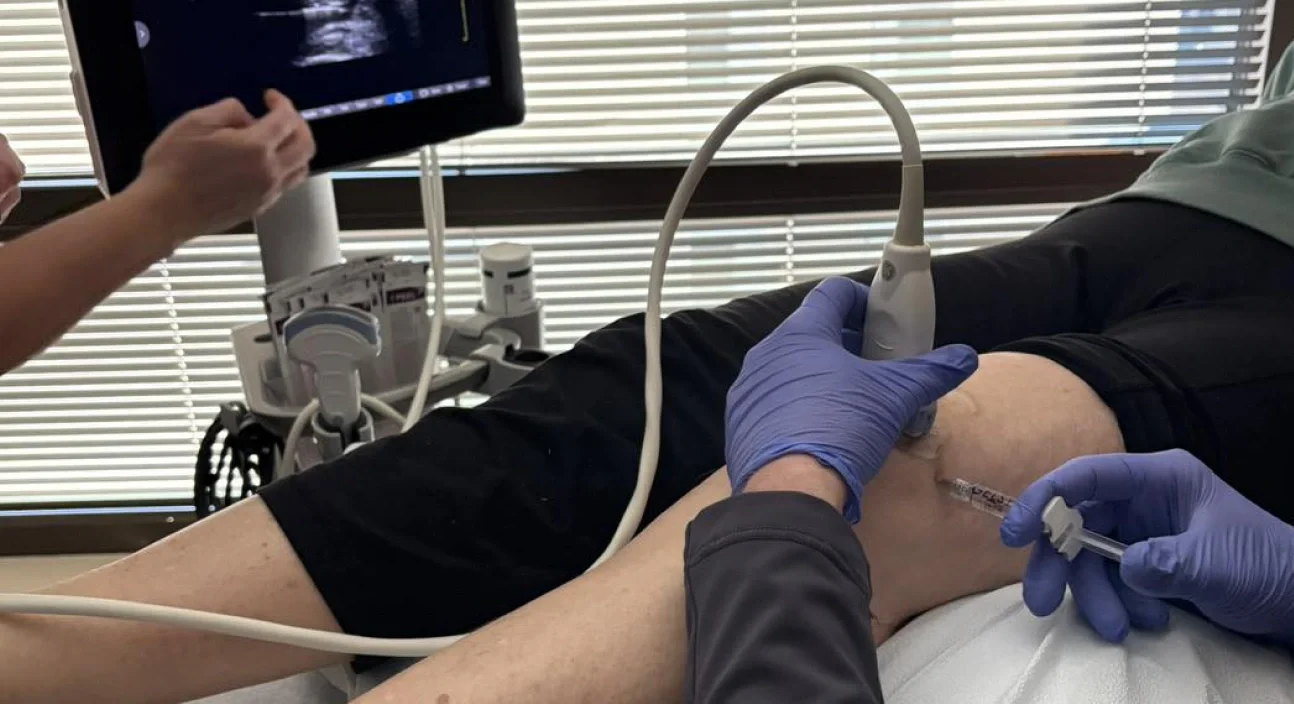
PRP injections are most effective when placed precisely at the site of injury. Practices that always use ultrasound guidance ensure the highest accuracy, which translates to better results.
3. The PRP System and Preparation Process
Not all PRP systems are equal:
The amount of blood drawn
The method of preparation
The sophistication of the centrifugation system
All of these determine how concentrated the final platelet product will be. More advanced systems can isolate a higher number of platelets, which release more healing growth factors. Think of PRP preparation as a science experiment—precision matters.
4. Pre- and Post-Injection Protocols
The success of PRP doesn’t just depend on the injection itself. What happens before and after is just as important.
Before: Patients should be “primed” to produce the highest quality PRP possible. Your physician should provide detailed instructions and handouts, not just a casual “see you at your appointment.”
After: Proper aftercare is crucial. Which medications and supplements should be stopped? How should you protect the injection site? When can you return to exercise or physical therapy? These details matter for healing and long-term success.
5. The Number and Timing of Injections
Some conditions require more than one injection, and the timing of these sessions can significantly impact outcomes. A practice with deep PRP experience knows how to tailor this to your condition.
6. Setting Realistic Expectations
Finally, your physician should provide clear, realistic expectations based on expertise and years of experience—not vague promises.
Choosing the Right Practice for PRP
The reality is that many orthopedic practices are now “diving into” PRP. Some have the knowledge and experience to deliver outstanding results, while others are new to the field and may not fully understand the science behind it.
At Impact Sports Medicine, we are leaders in PRP therapy:
15+ years of experience performing PRP procedures
Ultrasound guidance with every injection
Detailed before-and-after instructions for every patient
We believe PRP is too important to be treated as a “side service.” Physicians can only be excellent at a limited number of things—and if PRP isn’t a routine part of a practice, it’s unlikely they have the expertise to maximize your outcome.
If you’re considering PRP, choose wisely. We’d be happy to answer your questions and help determine if PRP is the right option for you
F. Clarke Holmes, M.D.
When Is PRP a Great Option — And When Is It Not?
/Platelet-Rich Plasma (PRP) injections may be the single biggest game-changing treatment I’ve seen in nearly 25 years as a Sports Medicine and Orthopedic physician. The role of PRP is constantly expanding, and the results we see today are more exciting than ever.
But like any treatment in medicine, PRP isn’t the right answer for every situation. There are times when it can be life-changing, and other times when a different approach is more effective.
Here are some common examples we see in practice:
When PRP Is a Great Option
✅ Advanced Tennis or Golfer’s Elbow
When ultrasound shows moderate to severe tendon damage and patients are experiencing significant pain and loss of function, PRP can be an excellent choice. In these cases, PRP helps heal tears that we can clearly see on imaging.
✅ Mild to Moderate Knee Osteoarthritis
This is one of PRP’s true strengths. PRP not only reduces pain and inflammation, but also helps improve function and may even slow or stop further deterioration of the joint.
✅ Partial Rotator Cuff Tears
For patients with mild pain, good strength, and preserved motion, PRP can support healing and help avoid surgery.
✅ Insertional Gluteal Tendinopathy (Often Miscalled “Hip Bursitis”)
This common condition—especially in middle-aged to older women—causes pain on the outside of the hip, difficulty sleeping on that side, and pain with stairs or longer walks. PRP is often a great option here.
✅ Chronic Plantar Fasciitis (Lasting 3+ Months)
When rest, therapy, footwear adjustments, and medications haven’t helped, PRP can provide real relief—often avoiding the need for more invasive surgery.
When PRP May Not Be the Best Choice
❌ Early/Mild Tennis or Golfer’s Elbow
If ultrasound only shows minimal tendon changes and pain is mild, conservative options like therapy, rest, bracing, and medications usually work well without the need for PRP.
❌ Severe Knee Osteoarthritis With Significant Misalignment
If the knee is badly worn down with severe pain, bowing, or disability, knee replacement is usually the best option. PRP won’t reverse severe structural damage.
❌ Full-Thickness Rotator Cuff Tears in Younger or Middle-Aged Patients
If there’s significant loss of strength and motion, surgical repair is the better route—PRP won’t replace the benefits of fixing the tendon directly.
❌ Advanced Hip Osteoarthritis
When the hip joint is severely damaged, total hip replacement remains the gold standard.
Our Approach at Impact Sports Medicine
At Impact Sports Medicine, our goal is simple: to help you get the best possible outcome—even if that means recommending a treatment we don’t provide ourselves. We want every patient to be cared for as if you were part of our own family.
PRP is a powerful tool, but like all tools, it works best when used at the right time, in the right situation. If you’re struggling with joint, tendon, or ligament pain, we’d be glad to help you figure out whether PRP—or another treatment—will get you back to doing what you love.
A New Option for Stubborn Tendon Pain: Meet TendoNova
/At Impact Sports Medicine, we know how frustrating it can be when tendon pain just won’t go away. Whether it’s tennis elbow, golfer’s elbow, plantar fasciitis, Achilles tendon pain, or even rotator cuff calcific tendinopathy, these problems can linger for months—and often don’t respond well to rest, therapy, steroid injections or medications.
That’s why we’re excited to offer TendoNova, our newest in-office, minimally invasive procedure designed specifically for chronic tendon injuries.
What is TendoNova?
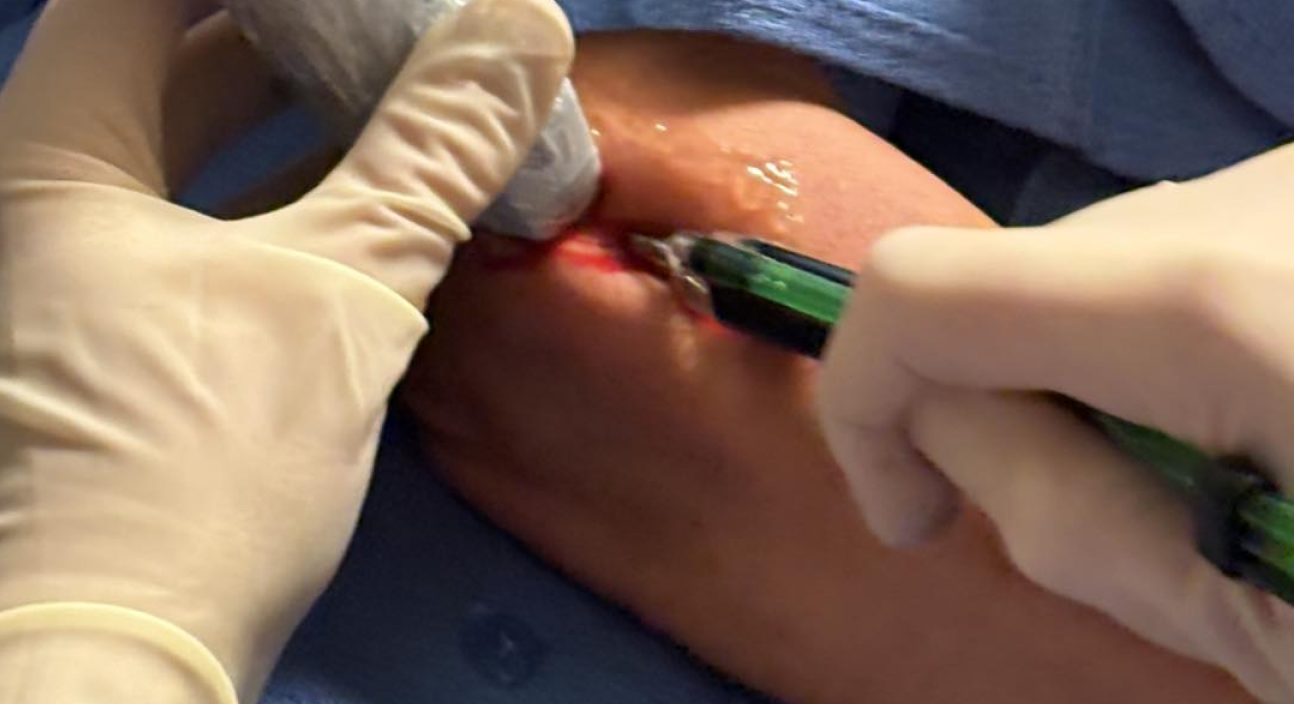
TendoNova is a needle-only system that requires no incision and is performed with just a small lidocaine injection for comfort. Using an oscillating needle, we carefully break up unhealthy tendon tissue under ultrasound guidance—kickstarting your body’s natural healing process.
Here’s the best part: the treatment itself takes only 20–60 seconds.
Combining TendoNova with PRP: A Powerful Duo
On its own, TendoNova stimulates healing. But when combined with platelet-rich plasma (PRP) injections—using your body’s own concentrated platelets and growth factors—the results can be even stronger.
Think of it this way:
TendoNova = aerating your lawn (breaking up the tough, unhealthy tissue)
PRP = planting fresh seed (delivering growth factors directly where they’re needed)
Together, they give your tendon the “best of both worlds” for long-term recovery.
Why Choose TendoNova?
Minimally invasive – no incision, no stitches
Quick recovery – the procedure itself is done in under a minute
Natural healing – enhanced when paired with your own PRP
Cutting-edge care – we’re one of the only practices in Middle Tennessee offering this option
At Impact Sports Medicine and Orthopedics, our mission is simple: to bring you safe, effective, and innovative treatments that reduce pain and help you stay active. TendoNova is just one more way we’re doing exactly that.
F. Clarke Holmes, M.D.
PRP: Why the Details Matter
/Platelet-rich plasma (PRP) injections are becoming more and more common. Patients with osteoarthritis, tennis or golfer’s elbow, partial rotator cuff tears, Achilles or patellar tendinopathy, and plantar fasciitis — just to name a few — are often hearing about PRP as a potential treatment option.
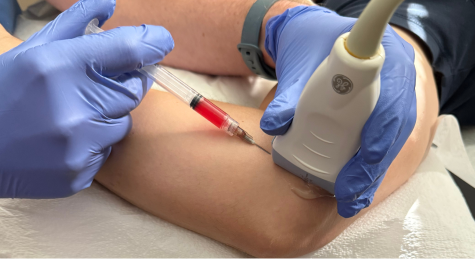
But here’s something we tell our patients all the time: not all PRP is the same.
The success of a PRP treatment depends on many important details, and “success” can mean more than just short-term pain relief. For many patients, PRP can:
Reduce pain
Improve function
Support healing of damaged tissue
Slow cartilage deterioration in osteoarthritis
That’s why PRP has the potential to be disease-modifying — not just symptom-relieving.
What Details Really Matter?
✔ Experience of the physician – How long have they been performing PRP injections?
✔ Accuracy of the injection – Ultrasound guidance is key to making sure the PRP is delivered precisely where it’s needed.
✔ Amount of blood drawn – Using a higher volume can help produce the optimal number of platelets.
✔ PRP preparation – Should the PRP be rich in white blood cells or poor in them? The answer depends on your specific condition.
✔ Medication & supplement guidance – Some should be stopped before and after the procedure for the best results.
✔ Aftercare recommendations – Whether it’s rest, bracing, or temporary use of crutches or a boot, good guidance makes all the difference.
✔ Number & frequency of injections – A tailored plan is essential.
✔ Ongoing education – Physicians who teach and stay up to date on orthobiologic treatments bring that expertise to your care.
✔ Transparency – You deserve clear communication about outcomes, expectations, and cost.
Why Choose Us?
The truth is, only a handful of physicians in Middle Tennessee take all of these details into account. That’s what sets our practice apart.
If you’re considering PRP — a natural, effective, and minimally invasive treatment — we’d love to talk with you about whether it’s the right option for you.
F. Clarke Holmes, M.D.
PRP: Natural, Preventative & Proven
/More and more patients are telling us they want treatments that are natural, less invasive, and focused on healing — not just masking pain.
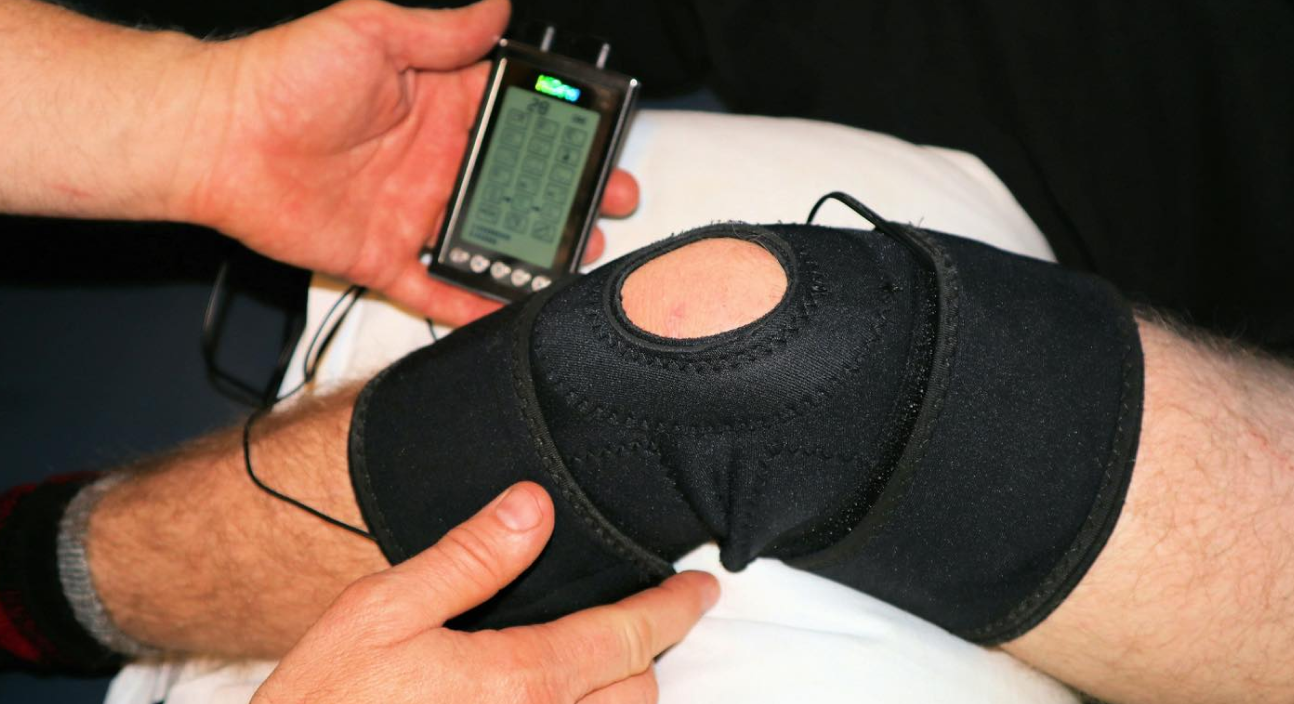
That’s exactly where platelet-rich plasma (PRP) comes in.
We’ve used PRP in our clinic for over 15 years, and it’s helped hundreds of patients avoid surgery, reduce pain, and heal from chronic conditions. This is not a trendy or unproven therapy — it’s a powerful, evidence-based treatment that works with your body to stimulate repair.
💥 For Knee Osteoarthritis
If your arthritis isn’t yet at the point of needing a knee replacement, PRP may be your most effective option to:
Reduce pain
Improve mobility
Slow or stop cartilage breakdown
Steroid shots and gel (hyaluronic acid) injections may offer short to medium-term relief, but they don’t protect your cartilage the way PRP can.
🎯 For Chronic Tendon Injuries
PRP can help actually heal conditions like:
Rotator cuff tendonitis
Tennis or golfer’s elbow
Achilles tendon pain
Plantar fasciitis
While steroid injections might ease pain quickly, studies show PRP gives better long-term results — with more lasting pain relief and true tissue repair between 3 and 12 months.
🧘♂️ Whole-Body Support
Of course, we take a comprehensive approach to your care. PRP works best when combined with:
Physical therapy
Weight loss (if appropriate)
Bracing
Anti-inflammatory nutrition
Targeted supplements and exercise
Ready to Take the Next Step?
If 2025 is the year you’re ready to invest in healing, not just managing, let’s talk. PRP might be exactly what your body needs.
F. Clarke Holmes, M.D.
“Orthopedic Maintenance”
/For years, patients have been told there’s nothing to do for arthritis until they’re ready for surgery. But that couldn’t be further from the truth.
Think about your car—do you only take it to the shop when it breaks down? Of course not! You get oil changes, tire rotations, and routine inspections to avoid major repairs. So why wouldn’t you do the same for your joints?
Welcome to orthopedic maintenance.
Just like your car, your knees (and other joints) need attention before things break down. That means treating pain and stiffness early—not just chalking it up to “getting older.”
Here’s how we help maintain your joints and avoid or delay surgery, especially for knee arthritis:
1. Steroid (Cortisone) Injections
Quick relief for pain and swelling—great for flare-ups or important life events. These can also be a smart option for patients who aren’t good candidates for surgery
2. Hyaluronic Acid (Viscosupplement) Injections
Think of these as your “oil change” injections. They cushion and lubricate the knee and can give relief for 4–12 months. Safe, effective, and often covered by insurance.
3. Orthobiologic Injections (like PRP)
These are your game changers. Platelet-Rich Plasma (PRP), made from your own blood, is backed by hundreds clinical studies. They help reduce inflammation, ease pain, improve function, and likely slow down cartilage damage. We’ve been doing these for almost 15 years with great results. These typically provide the longest lasting relief of 1-2 years in most patients.
The Bottom Line:
Arthritis isn’t all-or-nothing. There’s a lot we can do before surgery. And like dentists and primary care doctors, orthopedic specialists are now focusing on preventive care—not just reacting when things get bad.
If you’re ready to be proactive about your joint health, we’re here to guide you every step of the way
F. Clarke Holmes, M.D.
PRP Is Evolving: Here's How
/One of the most exciting things about platelet-rich plasma (PRP) therapy is that it’s always improving. This isn’t a static treatment. It continues to evolve through better science, smarter techniques, and new technology.
I’ve been using PRP since 2011, and today’s approach looks very different from when I started. At a recent regenerative medicine conference, I had the chance to learn from national experts, exchange ideas with peers, and explore the latest advances in PRP and stem cell therapy.
What’s Changing with PRP?
We’re upgrading our PRP system to deliver a higher concentration of platelets to the areas where you hurt. That means more growth factors—natural healing signals that reduce inflammation, encourage repair, and help preserve tissue.
More Platelets = More Power to Heal
In addition to increased platelets, we’re now able to add important components like:
Alpha-2 macroglobulin (A2M): A protein that helps protect cartilage and reduce inflammation.
Extracellular vesicles (EVs): Tiny messengers that carry proteins and RNA to promote healing and calm inflammation.
These additions enhance the effectiveness of PRP—especially for joint pain, soft tissue injuries, and degenerative conditions.
Better PRP. Better Results.
If PRP has helped you before—or if you’ve been considering it—this is a great time to revisit it. With these upgrades, we’re seeing even greater potential to relieve pain, improve function, and support long-term healing.
And we’re not stopping here. Stay tuned as we begin to introduce autologous (your own adipose/fat tissue) stem cell therapies into our practice soon.
F. Clarke Holmes, M.D.
My Elbow Hurts: Why Will It Not Get Better?
/In individuals aged 40 to 70, the overwhelming majority of elbow pain represents tennis or golfer’s elbow. These are misnamed lateral epicondylitis (tennis) and medial epicondylitis (golfer’s).
These are tendon problems, not bone problems, and “-itis” suggest inflammation, yet the main reasons these are very slow to recover is that they represent tendon degeneration and partial tearing of the tendon. Many physicians don’t recognize this because without use of ultrasound or MRI, you cannot make this determination. We use MSK ultrasound very effectively in our office, and it is much more efficient and less expensive than an MRI.
What about advanced treatment options? We have some of the most cutting edge options when it comes to these stubborn tendon problems Here are three options that are minimally invasive and produce outstanding results with very few risks:
1) Platelet rich plasma (PRP) injections. these are derived from your blood and involve introducing powerful growth factors to stimulate a healing response. PRP has been used very effectively in the treatment of tendon-related elbow pain now for about 15 years. We’ve been doing these since the beginning.
Want to know more about PRP? Click here
2) The Tenex procedure: we’ve done this one since 2012. It is performed in an operating room and involves a lidocaine injection only, no general anesthesia; a tiny incision and introducing a small handpiece into the tendon which debrides/excises the unhealthy part of the tendon. Typically, two minutes of treatment time or less, no stitches and an approximate 95% success rate.
Want to know more about the Tenex procedure and tennis elbow? Click here
3) The TendoNova procedure: this is a new one. Similar to the Tenex, but we do this in the office. Instead of a small incision, this involves the introduction of an oscillating needle that helps debride the tendon and stimulate a healing response. We really like combining this with a PRP injection, getting the best of both worlds. A minor structural treatment with a biological treatment, both of which stimulate healing.
Want to know more about TendoNova? Click here
If you or someone else you know has a stubborn elbow problem, come see us! This is one of our favorite areas to treat, and we love seeing our patients return to tennis, golf, weightlifting, pickleball, and household projects with resolution of pain and much improved function. Highly satisfied patients bring us joy.
F. Clarke Holmes, M.D.
PRP is a Game-Changer for Shoulders, Elbows, Hips and Feet
/Our number one application for platelet rich plasma (PRP) injections is knee osteoarthritis.
Yet, shoulder osteoarthritis, rotator cuff and labral problems also respond very favorably to PRP.
Tennis elbow and golfers’ elbow are great applications of PRP.
Hip osteoarthritis, insertional gluteal tendonopathy and bursitis of the hip are commonly treated with great success with PRP.
Finally, in the foot and ankle, osteoarthritis, particularly of the big toe joint, Achilles tendonopathy and plantar fasciitis are common conditions we treat with PRP.
For a tendon problem, why would you choose PRP over a steroid/cortisone injection?
With a PRP injection, we use your own platelets to stimulate healing and tissue regeneration by releasing growth factors. It aims to repair the tendon, not just reduce symptoms. Steroid injections can lead to tendon degeneration or even rupture with repeated use, while PRP is safer for tendon tissue, especially with chronic degenerative tendon conditions.
What about in the case of osteoarthritis? Here’s a table that highlights the differences.
Factor PRP Steroid
Onset of relief Slower (weeks) Fast (days)
Duration of Relief Months to years Weeks
Cartilage effects Potentially protective Potentially harmful
Side effects Minimal Possible systemic and local issues
Disease-modifying? Likely No
Are you interested in improving your quality of life? Reducing your pain? Improving your function? Are you seeking the healing of damaged tissues? Stopping or slowing the deterioration of your joints? If so, then PRP is likely a very good option for you.
As always, let us know if we can be of assistance!
F. Clarke Holmes, M.D.
PRP Means Prevention
/If there is a relatively low-risk and minimally invasive option for cancer prevention, would you choose to do it? If there is a similar option to reduce your risk of heart disease, would you do it? These would be potentially life-saving measures.
Now in the case of orthopedics, we are talking more about quality-of-life saving measures. Platelet-rich plasma (PRP) is one of those options.
We know that PRP is very beneficial in terms of reducing symptoms and improving function in most patients, yet did you know that it has also has a preventative benefit? Slowing the deterioration within your joint, particularly of the articular cartilage, is a benefit of the PRP.
How does being in less pain sound? What about being able to go up and down stairs much more easily? What about being out to enjoy longer walks and hiking? What about enjoying your grandkids with less pain during and afterwards?
What about more fulfilling trips to the gym? What about using fewer prescription medications to manage your symptoms? These are the goals of PRP, especially when we are treating osteoarthritis. When we are treating most tendon problems like of the rotator cuff, tennis/golfer’s elbow, lateral hip and the Achilles, the goal of PRP is not only to feel better, but actual healing.
This week, we repeated PRP on a patient with moderate knee osteoarthritis (OA) that last had PRP with us 5 years ago. Her benefit has lasted that long. This week we updated x-rays on a patient with knee OA and noted that in the last 2 years, his x-rays have not changed. This means no substantial loss of cartilage. In contrast, the average OA patient is losing 4%-6% of cartilage per year. What if we can change that to 0%-2%? Would you take it? If so, come see us, as we’re doing more PRP than ever, and the results remain very promising.
F. Clarke Holmes, M.D.
PRP Vs. Stem Cell Injections
/We often get the question when patients come in looking for nonsurgical treatment of osteoarthritis or a chronic tendon problem: “How do I choose between a platelet-rich plasma (PRP) and stem cell injection?”
First, let’s define the differences: PRP comes from your own blood and involves a simple blood draw from an arm vein. Stem cell injections are prepared after bone marrow or adipose (fat) tissue is extracted from a patient. Obviously, the PRP preparation is simpler, less invasive and lower risk for the patient. Venipuncture takes about 2-3 minutes, whereas obtaining bone marrow involves inserting a larger needle-like device into the iliac crest (bone at top/back of the pelvis) and takes about 10-15 minutes or longer. Obtaining adipose tissue from the lower abdomen is a more complex and time-consuming procedure, often requiring about 30-45 minutes.
Both types of injections have the potential to reduce pain by reducing inflammation and promote healing. PRP uses a variety of growth factors, while stem cells utilize mesenchymal signaling cells and may have a greater potential to regenerate tissue. That being said, we are often using these injections for osteoarthritis, which is a cartilage deficiency problem. At this time, it is debatable whether any type of injection can regenerate cartilage.
What about success rates? Well, the jury is still out regarding which option is better. The good news is that in the large majority of studies, both PRP and stem cell treatments result in less pain and better function. Soft tissue problems like tendons and ligaments often demonstrate an improved or healed appearance on imaging studies. Some studies suggest that PRP and stem cell injections produce equal outcomes in the treatment of knee osteoarthriitis, while some suggest stem cells have better results. For now, we are putting our eggs in the PRP basket exclusively. Why is that?
-PRP is less-invasive, lower risk and faster to prepare
-PRP has a longer track record of use and success
-Although neither are covered by insurance, stem cell injections tend to be 3-10x more expensive than PRP injections. Example: $1000 for PRP on the average versus $5000 for a stem cell treatment.
We often state that PRP injections are like buying a Honda: safe, reliable, and gets the driver from Point A to Point B quite well. Stem cell injections are like a Maserati: fancy, expensive and unique but don’t necessarily get you from Point A to Point B any better or faster.
In summary, we anticipate that the application of stem cell treatments in the U.S. will continue to expand as studies demonstrate increased success and safety, while preparation will become easier, and the cost will decrease. Until then, PRP will be our successful “go-to” orthobiologic injection.
Want more info?
Patients With Knee Osteoarthritis Who Receive Platelet-Rich Plasma or Bone Marrow Aspirate Concentrate Injections Have Better Outcomes Than Patients Who Receive Hyaluronic Acid: Systematic Review and Meta-analysis - PubMed
Bone Marrow Aspirate Concentrate Is Equivalent to Platelet-Rich Plasma for the Treatment of Knee Osteoarthritis at 2 Years: A Prospective Randomized Trial - PubMed
Bone Marrow Aspirate Concentrate Is Equivalent to Platelet-Rich Plasma for the Treatment of Knee Osteoarthritis at 1 Year: A Prospective, Randomized Trial - PubMed
As always, let us know if we can be of assistance to you!
F. Clarke Holmes, M.D.
5 Things You Want to Know If You Have Knee Pain
/Three factors play a role in knee pain: structural, biomechanical and environmental. Structural means damage, biomechanical means abnormal tracking or loading within a joint or tendon because of misalignment, weakness, and/or inflexibility. Environmental typically means inflammation within the joint or tendon. When formulating a treatment plan for you, we typically want to address one or two of these factors initially. Unless you have major damage, we’re normally not treating structure initially, as that results in a surgery.
Age often plays a role in these different factors: in the absence of injury, in patients under 20 years of age, the problem tends to be biomechanical. In patients ages 20 to 40, the problem tends to be biomechanical and inflammatory. In patients older than 40, structural, biomechanical and inflammatory are typically all playing a role.
Being proactive in the care of your knee problem usually produces better outcomes than being reactive. This means integrating treatments early on and not waiting until you have major pain or disability to see a physician. We term this “PIO,” Proactive Interventional Orthopedics.
Meniscus tears are commonly found on MRIs and may or may not be a source of pain. For decades, the trend was to treat these surgically, typically arthroscopically, removing the torn piece of meniscus. There’s now a trend towards repairing the meniscus tear, when possible, but only about 10% can be successfully repaired. Thus, surgery for meniscus tears, especially those age 40 and above, is becoming less popular. On occasion, surgery is the better choice, but treating these initially nonsurgically is usually the best way to start. We often tell patients “a little torn meniscus is better than less meniscus,” especially long term. Less meniscus often equals greater arthritis.
Three types of injections can be used for most knee problems: steroid, hyaluronic acid, and orthobiologics. Orthobiologics include platelet-rich plasma (PRP) and stem cell injections. Each of these injections can be reasonably good choices, but for long-term success, PRP is likely your best option in terms of producing favorable outcomes, modifying the disease process, and these are often the most cost-effective option. Now, we are adding protein concentrate to many PRP injections, utilizing your excess plasma that we previously would just discard. Stay away from “stem cell” injections that are ordered by physician’s or chiropractic offices and do not come from you own bone marrow or fat. These are often being used inappropriately, and patients are charged exorbitant amounts of money to have these injections.